
DRAGONBALL Z (often abbreviated as DBZ) is not just an anime series—it is a cultural phenomenon that has transcended borders, languages, and generations. Adapted from Akira Toriyama’s iconic manga, DRAGONBALL Z continues the story of Goku and his friends, taking viewers on an epic journey filled with interstellar battles, heartfelt friendships, and the pursuit of strength. For decades, it has remained a cornerstone of the anime industry, influencing countless works and capturing the hearts of millions of fans worldwide. This blog will take you deep into the world of DRAGONBALL Z, exploring its core charm, classic elements, and enduring influence—all for the die-hard fans and those new to this legendary franchise.
The Origin of DRAGONBALL Z: A Sequel That Surpasses the Original
To understand DRAGONBALL Z, we must first look back at its roots. The original Dragon Ball manga, created by Akira Toriyama, was serialized from 1984 to 1995, telling the story of Goku’s childhood and his journey to become a powerful martial artist. DRAGONBALL Z, which aired from 1989 to 1996, is the direct sequel to the original series, picking up the story after Goku’s adulthood and introducing a more grand and dangerous worldview.
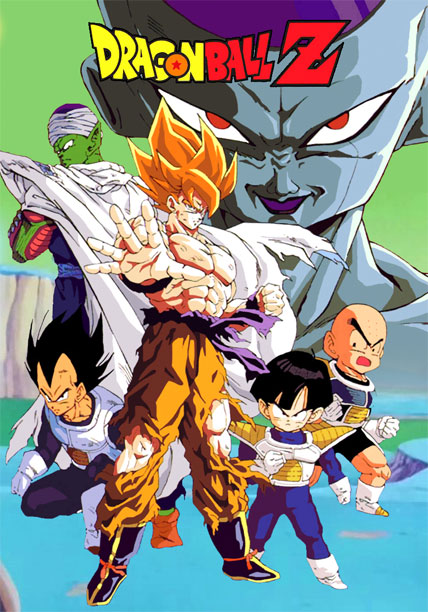
Unlike the original Dragon Ball, which focused more on adventure and lighthearted humor, DRAGONBALL Z shifted its focus to large-scale battles and emotional depth. It introduced alien threats, such as Vegeta, Frieza, and Cell, forcing Goku and his allies to push their limits and unlock new levels of power. This shift not only won over existing fans but also attracted a new generation of viewers who were drawn to the intense action and compelling character development.
Core Elements of DRAGONBALL Z: What Makes It Unforgettable
DRAGONBALL Z’s enduring popularity is no accident—it is built on a set of core elements that resonate with fans around the world. From iconic characters to groundbreaking power systems, every aspect of the series is carefully crafted to leave a lasting impression.
1 Iconic Characters: Heroes and Villains That Define the Series
No anime is complete without memorable characters, and DRAGONBALL Z delivers some of the most iconic figures in anime history. Goku, the protagonist, is a kind-hearted, powerful warrior who constantly strives to become stronger and protect his loved ones. His unwavering determination and optimistic spirit make him a role model for fans of all ages.
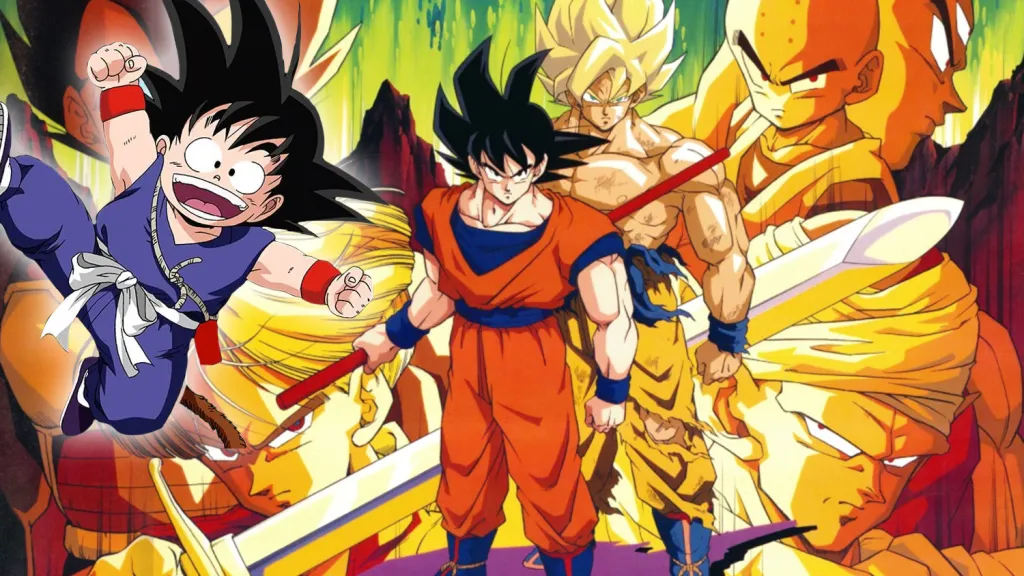
Vegeta, Goku’s greatest rival and eventual ally, is another fan-favorite character. His pride, ambition, and gradual redemption arc make him one of the most complex and compelling characters in the series. Villains like Frieza, Cell, and Majin Buu are also unforgettable—each with their own unique personalities and terrifying powers, serving as powerful foils to Goku and his friends.
2 The Super Saiyan Transformation: A Game-Changer in Anime
One of the most iconic elements of DRAGONBALL Z is the Super Saiyan transformation—a power-up that has become synonymous with the series. First introduced when Goku transforms to defeat Frieza on Planet Namek, the Super Saiyan form is characterized by golden hair, glowing aura, and a massive boost in strength and speed.
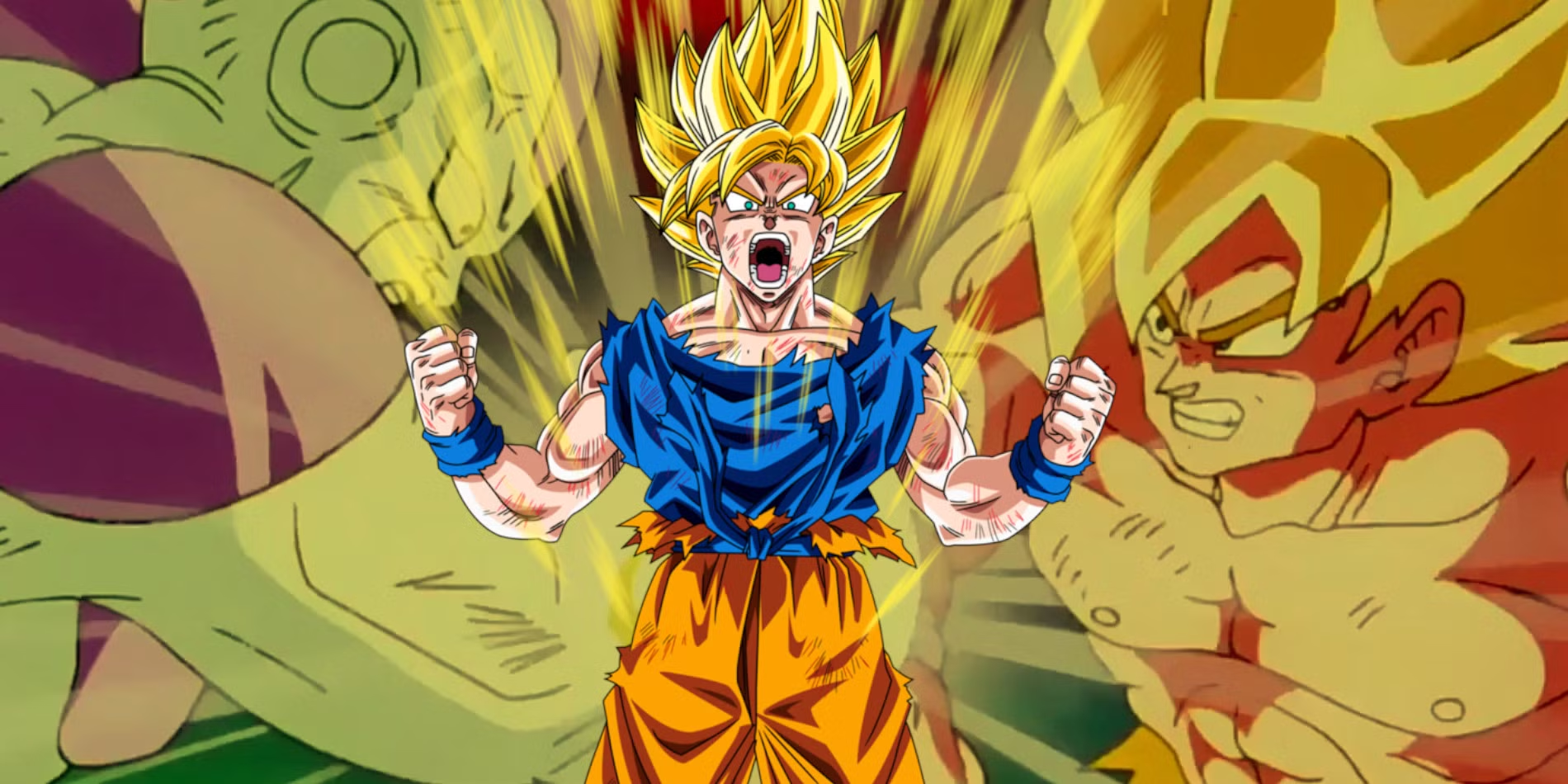
Over the course of the series, the Super Saiyan transformation evolves, with new forms like Super Saiyan 2, Super Saiyan 3, and beyond. This power system not only adds excitement to the battles but also symbolizes Goku’s growth and determination to protect his friends and the world. The Super Saiyan transformation has become a cultural icon, referenced in countless other anime, movies, and pop culture moments.
3 Epic Story Arcs: Emotional and Action-Packed Journeys
DRAGONBALL Z is divided into several major story arcs, each with its own unique conflict, challenges, and character development. From the Saiyan Saga, where Goku faces his first alien threat, to the Buu Saga, the final arc of the original series, each arc is filled with intense battles, emotional moments, and unexpected twists.
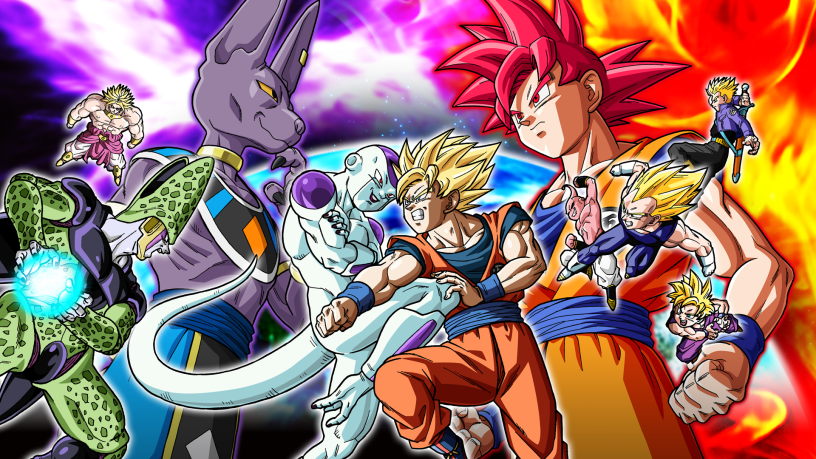
The Frieza Saga, in particular, is widely regarded as one of the best story arcs in anime history. It features Goku’s transformation into a Super Saiyan, the death of Krillin (a key emotional moment), and the epic battle between Goku and Frieza—a battle that spans multiple episodes and remains a fan favorite to this day. Each story arc builds on the previous one, creating a cohesive and engaging narrative that keeps viewers hooked.
The Global Influence of DRAGONBALL Z: Beyond Anime
DRAGONBALL Z’s influence extends far beyond the world of anime. It has become a global pop culture phenomenon, impacting everything from video games and toys to fashion and music. The series has been dubbed in over 40 languages, broadcast in more than 150 countries, and has sold millions of DVDs, Blu-rays, and manga volumes worldwide.
Video game adaptations of DRAGONBALL Z are also extremely popular, with titles like Dragon Ball FighterZ, Dragon Ball Xenoverse, and Dragon Ball Z: Kakarot topping sales charts around the world. These games allow fans to step into the shoes of their favorite characters, recreate iconic battles, and experience the world of DRAGONBALL Z in a new way. Additionally, DRAGONBALL Z merchandise—including action figures, clothing, and collectibles—has become a multi-billion-dollar industry, beloved by fans of all ages.
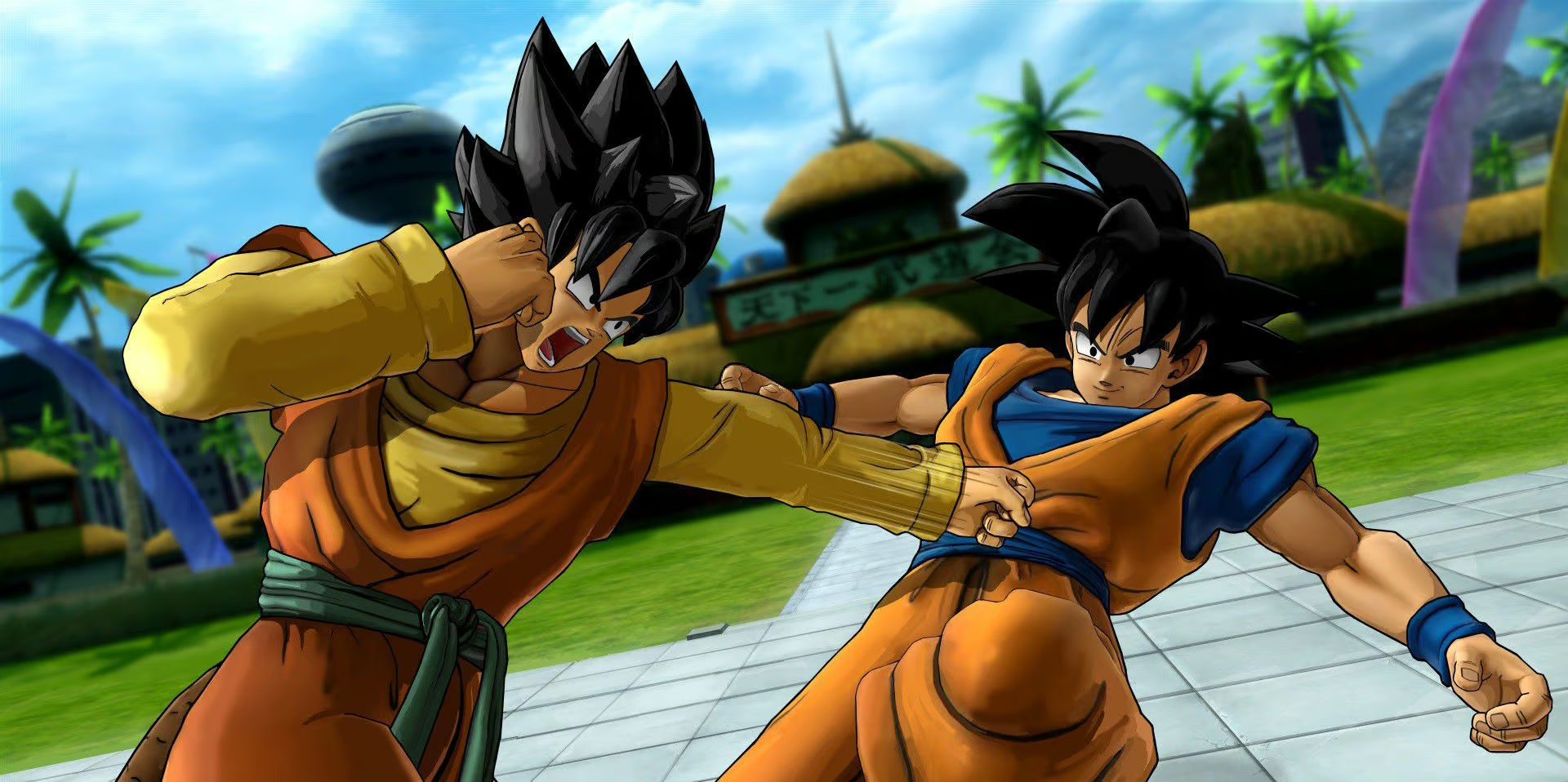
DRAGONBALL Z has also influenced other anime and manga creators, with many series borrowing elements from its power system, character dynamics, and storytelling style. It has become a benchmark for shonen anime (anime targeted at young boys), setting the standard for action, character growth, and emotional depth.
Why DRAGONBALL Z Is Still Relevant Today
Decades after its initial release, DRAGONBALL Z remains as popular as ever. One of the main reasons for its enduring relevance is its universal themes—friendship, courage, perseverance, and the pursuit of self-improvement. These themes resonate with viewers of all ages and cultures, making the series timeless.
Additionally, the series has continued to expand with new adaptations, spin-offs, and remakes, such as Dragon Ball Kai (a remastered version of DRAGONBALL Z) and Dragon Ball Super (a sequel to the original series). These new works keep the franchise fresh while honoring the original DRAGONBALL Z legacy, attracting both old and new fans.
Conclusion: The Timeless Legacy of DRAGONBALL Z
DRAGONBALL Z is more than just an anime—it is a cultural icon that has shaped the lives of millions of fans around the world. Its iconic characters, epic battles, and universal themes have made it a timeless classic that continues to inspire and entertain. Whether you are a long-time fan who grew up watching Goku’s adventures or a new viewer just discovering the world of DRAGONBALL Z, there is something for everyone to love.
As the legacy of DRAGONBALL Z continues to grow, it is clear that this legendary series will remain a cornerstone of the anime industry for years to come. So, grab some snacks, sit back, and revisit the adventures of Goku and his friends—you won’t be disappointed.